Cyprus’s Timeless Coastal Jewel
Larnaca blends ancient roots with modern vibrancy on Cyprus’s southeast shore. From Phoenician ports to today’s sun-kissed beaches, this welcoming city offers history buffs, food lovers, and sun seekers a perfect Mediterranean escape steeped in 4,000 years of heritage.
History: Layers of Civilizations
We offer support and resources to help international businesses and planners navigate opportunities in Larnaca, ensuring smooth expansion, informed decisions, and successful long-term growth. Our services include:
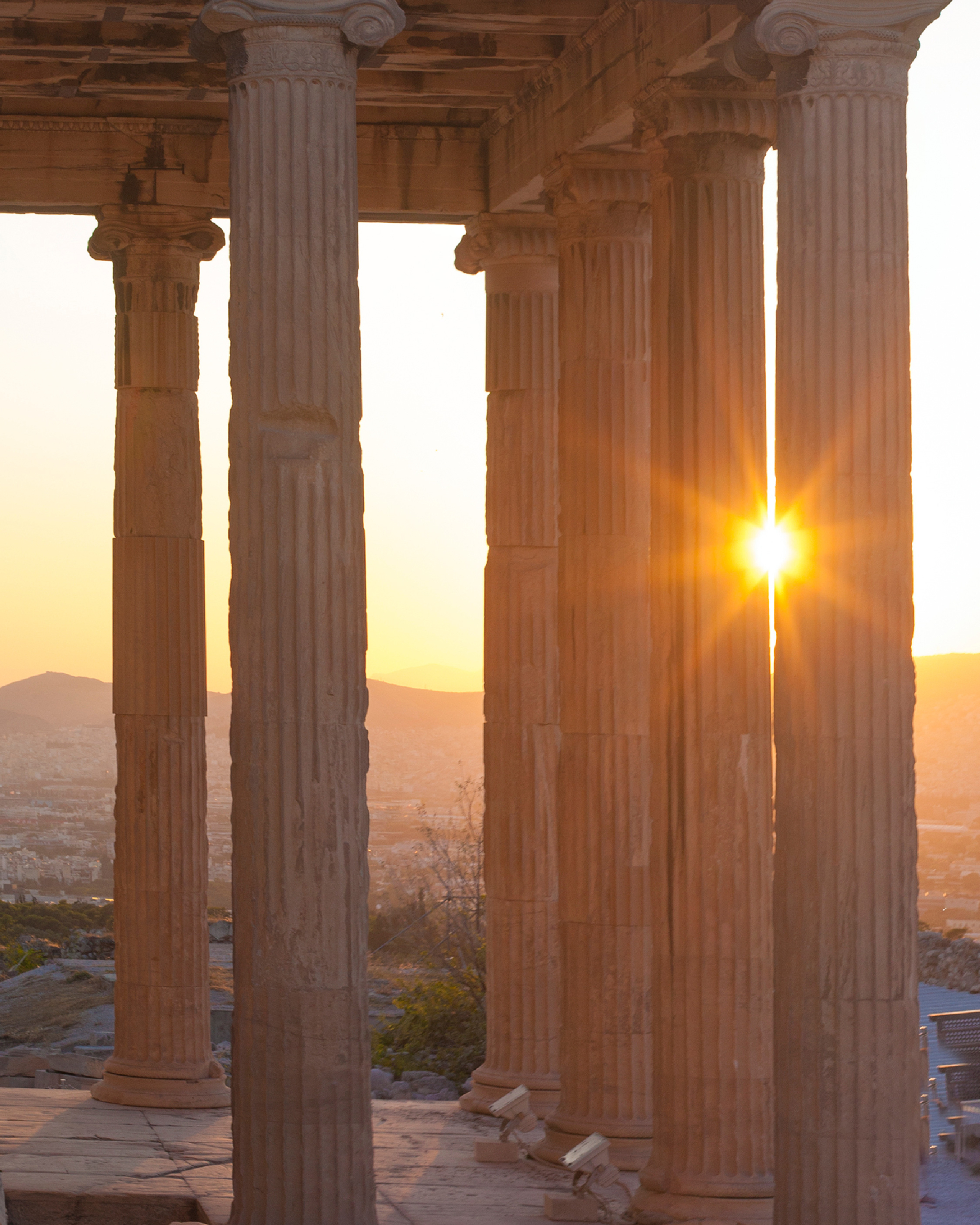
From Ancient Kition to Modern Port
Founded as Kition around 2500 BC during the Bronze Age, Larnaca thrived as a Mycenaean trading hub exporting copper across the Mediterranean. By 1200-1000 BC, Achaean Greeks colonized it, followed by Phoenician influence that peaked in the 9th-6th centuries BC under kings like Milkaton.
Key Eras of Transformation
Hellenistic prosperity came under Ptolemaic rule (2nd century BC), with Zeno of Citium born here as Stoicism’s founder. Arab raids in 649 AD built Hala Sultan Tekke; Franks renamed it Larnaca (1191-1489 AD); Venetians exploited salt trade until Ottoman conquest in 1571, when the castle guarded the vital port. British colonial builds shaped Finikoudes promenade (1878-1960), leading to independence in 1960.
Culture & Tradition:
Authentic Cypriot Soul

Festivals and Faith
Larnaca pulses with Orthodox traditions, like Lazarus Saturday processions honoring Saint Lazarus, the biblical figure said to have lived here post-resurrection. Annual events include the Flower Festival (Anthestiria) with floats and meze feasts, Cat Festival for animal welfare, and beach fireworks—blending Greek, Ottoman, and British influences in community parades and church bazaars.

Daily Life and Hospitality
Philoxenia (guest-love) defines locals: expect warm tavernas with live bouzouki music, lace-making demos in nearby Lefkara (UNESCO craft), and salt harvesting tales at the lake. Markets overflow with olives and herbs, while Sundays feature family panigyria (village fairs) with folk dances.
Weather: Sunshine Guaranteed
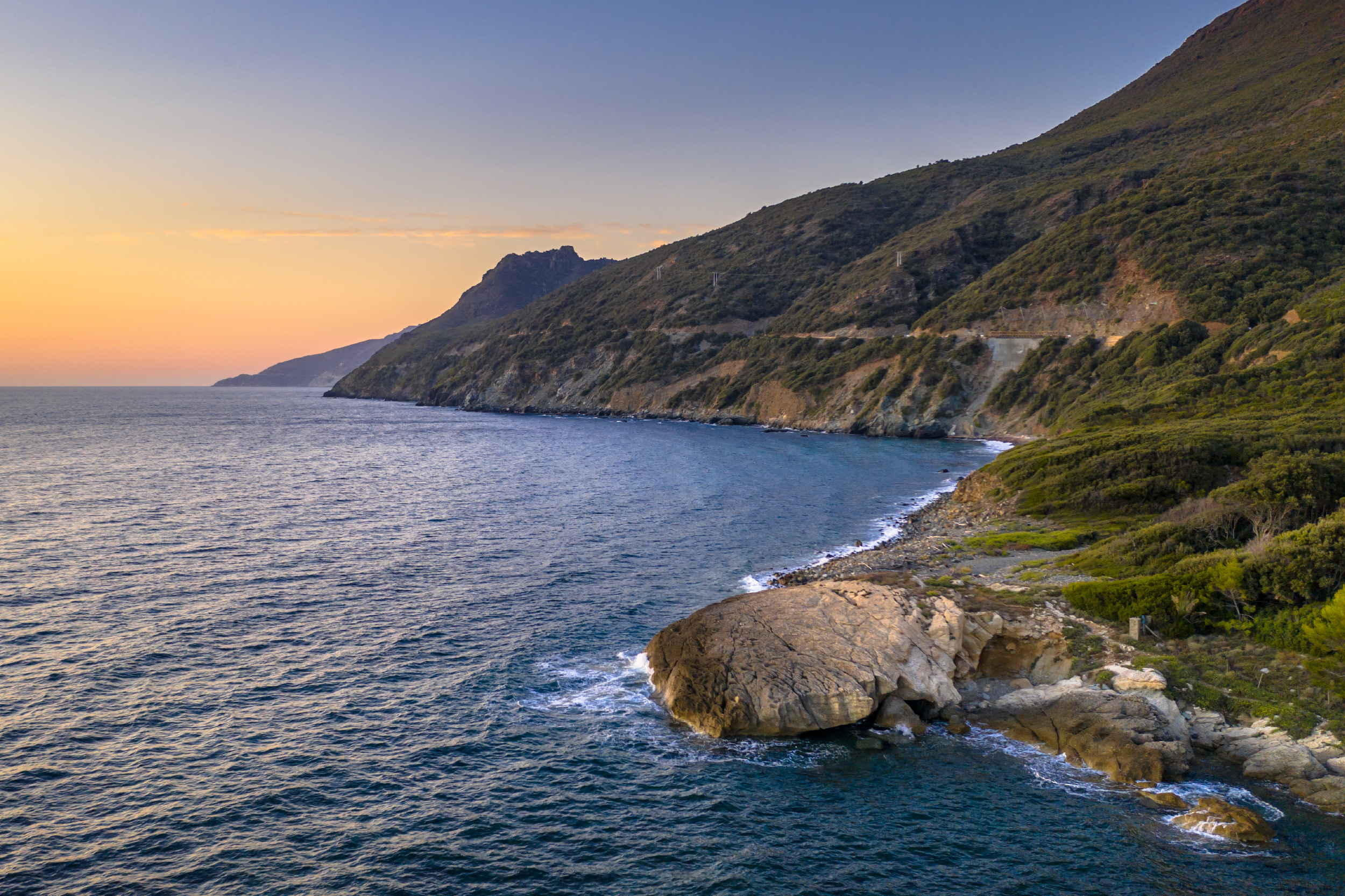
Mediterranean Paradise Year-Round
Boasting 340 sunny days, Larnaca’s climate delivers hot, dry summers (July-August: 30-35°C/86-95°F) perfect for beach days, and mild winters (January: 15-18°C/59-64°F) ideal for hikes. Spring/autumn shoulder seasons (22-28°C/72-82°F) mean fewer crowds, blooming fields, and flamingo migrations at Salt Lake. Pack layers for breezy evenings; rain is rare (50mm/year).
Remarkable People of Larnaca
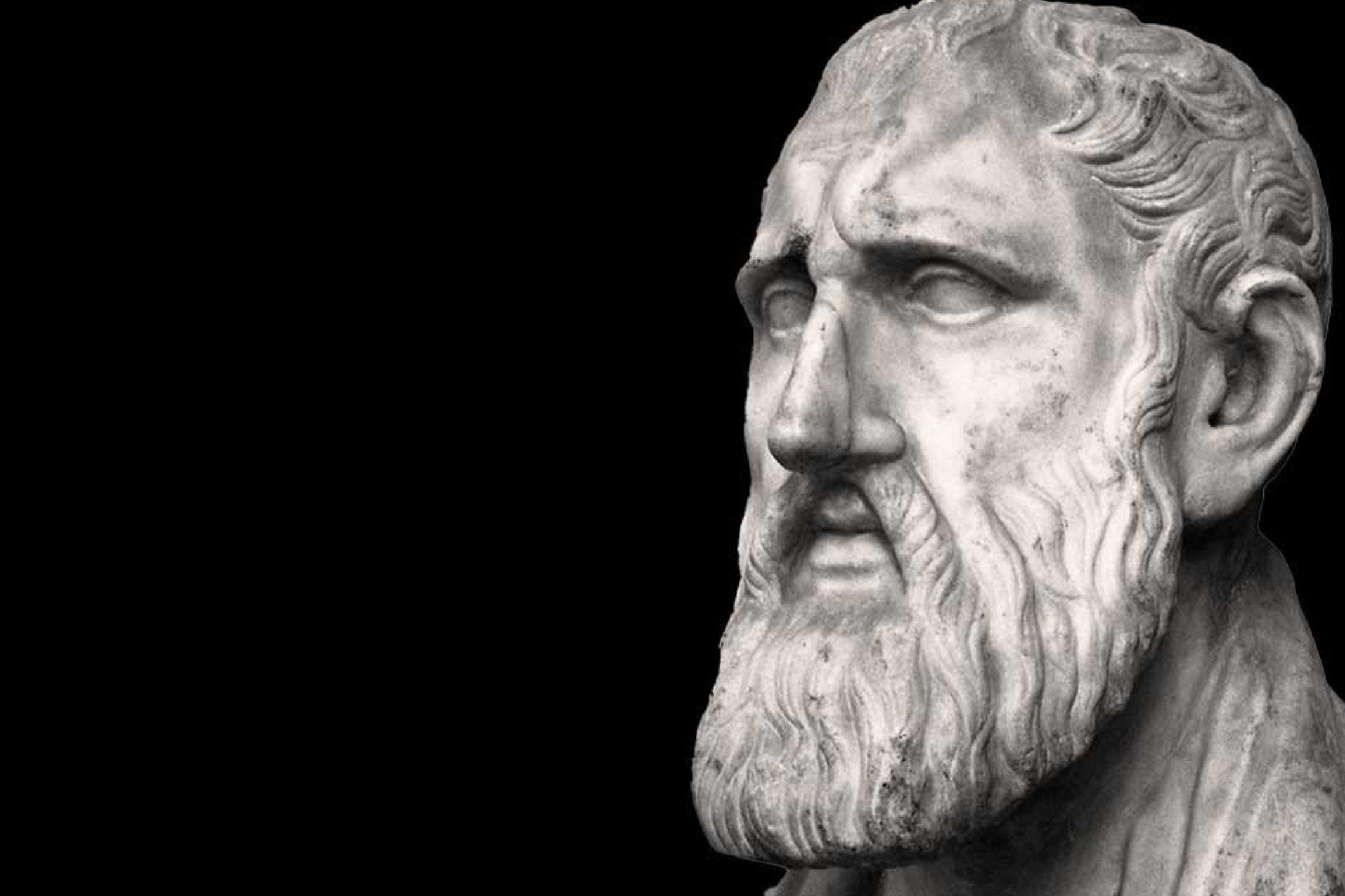
Icons Who Shaped the World
Zeno of Citium (334-262 BC), Kition-born Stoic philosopher, founded the enduring school of ethics influencing Marcus Aurelius. Saint Lazarus reportedly resurrected here, with his tomb under the 9th-century church. Modern notables include Andreas Themistocleous (mayor pioneering green projects) and cultural figures like composer Manos Loizos, whose music echoes in local festivals.
Larnaca’s story is one of resilience and welcome—explore its churches, ruins, and tavernas to feel the heartbeat of Cyprus. Plan your visit today!