
3 Must-Try Traditional Dishes When in Larnaca
Larnaca, Cyprus, is a treasure trove of history, culture, and stunning Mediterranean landscapes. But one of the most enchanting ways to experience the city’s soul is through its food. Cypriot cuisine is a vibrant blend of Greek, Middle Eastern, and local influences. It celebrates fresh, high-quality ingredients, bold flavors, and convivial dining traditions. When visiting Larnaca, be sure to indulge in these three traditional dishes that perfectly capture the essence of Cypriot gastronomy and will leave you craving more.
- Halloumi Cheese — The Iconic Cypriot Delight
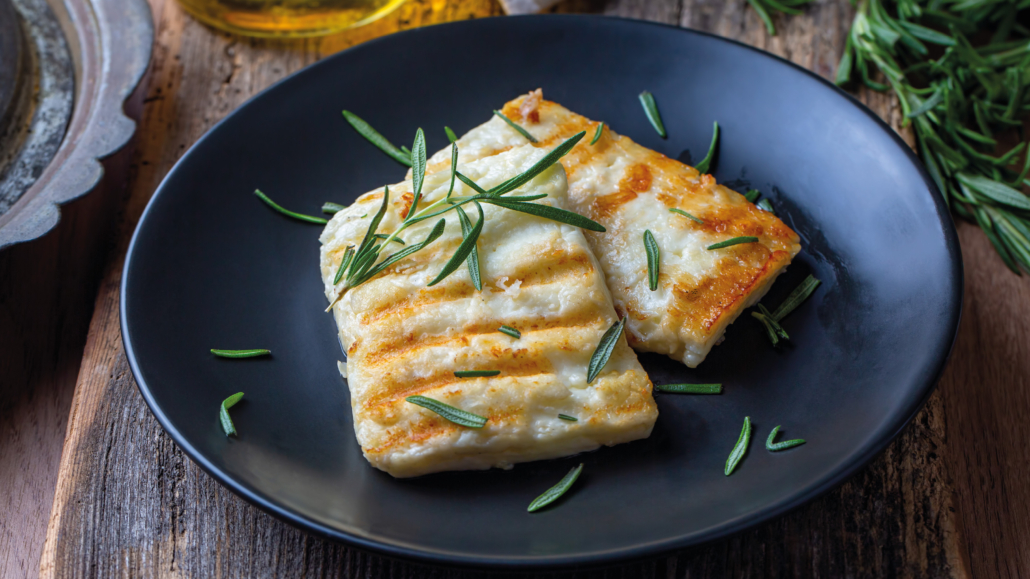
Few foods are as intrinsically linked to Cyprus as Halloumi cheese. This semi-hard, unripened cheese made from a mix of goat’s and sheep’s milk (sometimes cow’s milk) is celebrated nationwide and particularly revered in Larnaca. Known for its firm texture and high melting point, Halloumi is perfect for grilling or frying, which caramelizes its surface without it melting away.
What to Expect
When you order Halloumi in Larnaca, you’ll often get slices grilled until golden brown, served either on its own or alongside fresh tomatoes, cucumbers, olives, and herbs like mint or oregano. This dish is frequently found on mezze platters—a collection of small plates meant for sharing—which is a cherished tradition in Cyprus reflecting social and communal dining.
Halloumi’s salty, slightly tangy flavor profile is distinct yet mild, making it a versatile companion to both savory and fresh dishes. Many local tavernas elevate it by pairing it with a drizzle of Cypriot honey or pomegranate molasses, adding a sweet contrast to its savory nature.
Cultural Significance
Beyond taste, Halloumi carries cultural importance in Cyprus, with a history dating back over a millennium. It was traditionally made by rural communities to preserve milk and provides insight into the island’s pastoral past. Sampling Halloumi in Larnaca means savoring a piece of Cypriot heritage, perfectly grilled in an inviting setting that celebrates simplicity and boldness.
- Kleftiko — Succulent, Slow-Cooked Lamb with a Story
If you seek a dish that embodies Cyprus’s rustic culinary tradition, look no further than Kleftiko. The name “Kleftiko” translates to “stolen” and refers to the ingenious cooking method used by the Kleftes—Cypriot bandits who slow-cooked their lamb in sealed clay ovens hidden from enemy soldiers to avoid detection while preserving the meat’s flavor and moisture.
The Experience
Kleftiko is tender lamb, marinated with garlic, lemon juice, herbs (usually oregano and bay leaves), and gently slow-cooked for hours until it falls off the bone. The meat is traditionally wrapped in parchment paper or sealed in a clay pot, allowing it to braise in its own juices, absorbing the aromatic flavors.
When served in Larnaca, Kleftiko is typically accompanied by sides such as roasted potatoes, fresh salad, and local bread. The dish is hearty and comforting, offering a rich blend of Mediterranean earthiness with hints of citrus and herbs.
A Feast for the Senses
Eating Kleftiko is not just about flavor but also about atmosphere. It’s a dish best enjoyed in a traditional taverna where the slow-cooked aroma fills the air and the rustic ambiance evokes a sense of history and hospitality. Many restaurants in Larnaca take pride in preparing Kleftiko with recipes passed down through generations, ensuring authenticity that nourishes both body and soul.
- Meze — The Quintessential Cypriot Culinary Celebration
No visit to Larnaca would be complete without indulging in a Meze—a banquet of small, varied dishes that showcase the diversity and depth of Cypriot cooking. While technically not a single dish, meze is a culinary feast and social experience rolled into one, offering an opportunity to taste a wide array of traditional favorites at once.
What’s on the Meze Table?
The Larnaca meze typically begins with cold starters such as tahini with lemon, hummus, tzatziki, grilled halloumi, and fresh salads featuring local vegetables and herbs. Then come the warm dishes: succulent grilled meats like souvlaki (skewered pork or chicken), keftedes (fried meatballs), stuffed vine leaves (dolmades), and, often, a serving of Kleftiko or other slow-cooked specialties.
Seafood meze options such as calamari, octopus, and fresh fish are popular along Larnaca’s coastal tavernas, reflecting the city’s maritime heritage.
To finish, traditional desserts like baklava or loukoumades (honey-drenched fritters) are served with local coffee or the strong Cypriot spirit, Zivania.
Sharing and Celebrating
Meze is more than just dining; it’s an expression of Cypriot culture’s emphasis on community and hospitality. Meals last for hours, with laughter, conversation, and the clinking of glasses over extended, memorable gatherings. When you sit down to a meze in Larnaca, you participate in a living tradition, connecting with locals and fellow travelers alike.
Where to Enjoy These Dishes in Larnaca
Larnaca boasts a vibrant restaurant scene, from charming seaside tavernas to elegant dining establishments. For authentic Halloumi and Kleftiko, many traditional tavernas in the old town and along the Finikoudes promenade specialize in time-honored recipes and warm hospitality.
Seafood meze is best savored in the waterfront restaurants near Mackenzie Beach, where fresh catches are prepared to perfection. Some venues also offer modern twists on traditional dishes, blending innovation with deep respect for Cypriot culinary roots.
Final Thoughts
Tasting Halloumi, Kleftiko, and Meze in Larnaca is a journey into the island’s history, culture, and warm social spirit. Each dish tells a story—from ancient pastoral traditions to ingenious survival techniques and celebratory community dining. Whether you are a food enthusiast or casual traveler, these must-try dishes offer a delicious gateway to understanding and enjoying Larnaca—and Cyprus as a whole.
So when in Larnaca, take your time to savor the flavors, embrace the convivial atmosphere, and make every meal a joyful discovery of Cypriot heritage. Your taste buds—and your heart—will thank you.